Can You Use a Pool Robot in a Salt Water Pool?

Short answer

Yes. A salt pool runs at roughly a tenth of seawater's salinity, and robotic cleaners are built to work in it. What salt is hard on is anything metal and anything left wet: swivel bearings, fasteners and battery charging contacts. Take the robot out between cycles, rinse it in fresh water now and then, and store it out of direct sun.

What a salt rating means

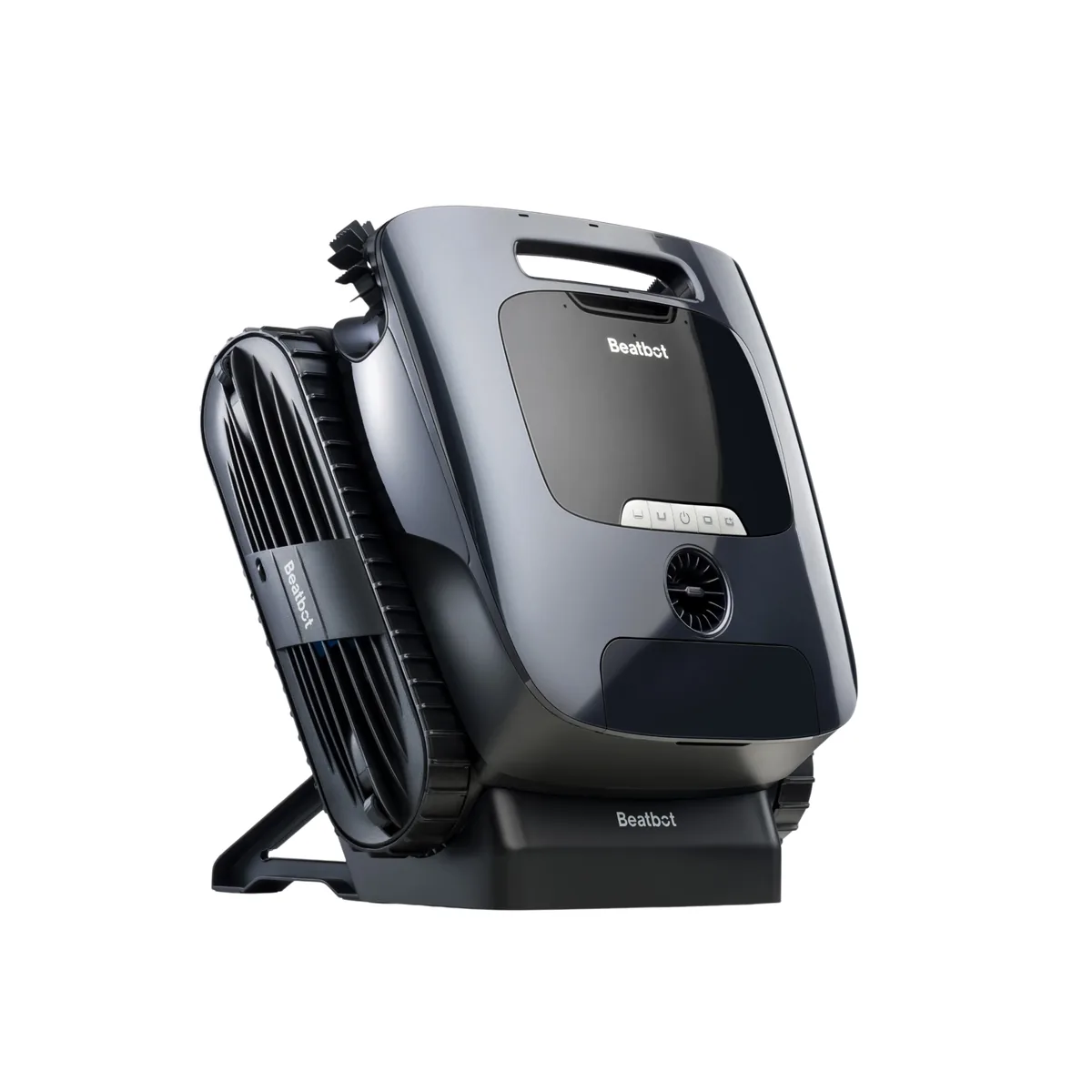
Salt chlorine generators typically run a pool at a few thousand parts per million of salt. Some makers state the salinity their robot is rated for — Beatbot, for one, rates the AquaSense 2 Ultra up to 5,000 ppm — and some state salt- and chlorine-tolerant motors, as Betta does for its skimmers. A rating is a promise the maker has tested for it; its absence is not proof of a problem, but it is one less thing covered.

Leaving a robot in the pool

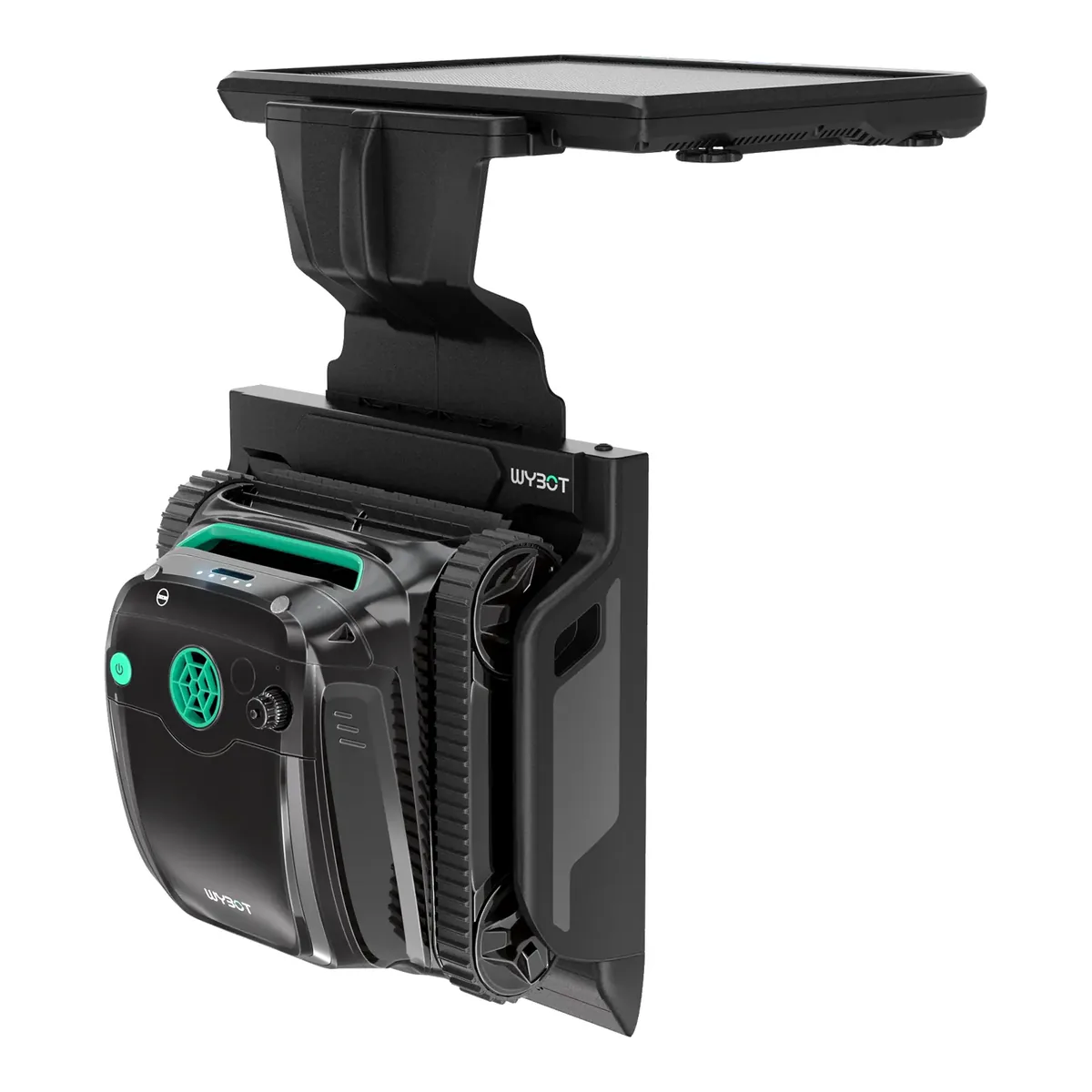
Whether a robot can live in the pool is one of the most asked questions about them. Unless it is a docking model built to stay in, the case for taking it out after the cycle is simple: parked on the floor it is not cleaning, and it is sitting in chlorinated water with its seals under pressure. Robots that dock and charge in the pool, like WYBOT's S2 Solar, are designed to stay, and they are the exception rather than the rule.

Sun is the other half. UV hardens plastics and cables, and heat is hard on lithium batteries. A robot left on a hot deck through the summer ages faster than one stored in shade — which is also why a caddy with a cover earns its place.
Robots this comes up with

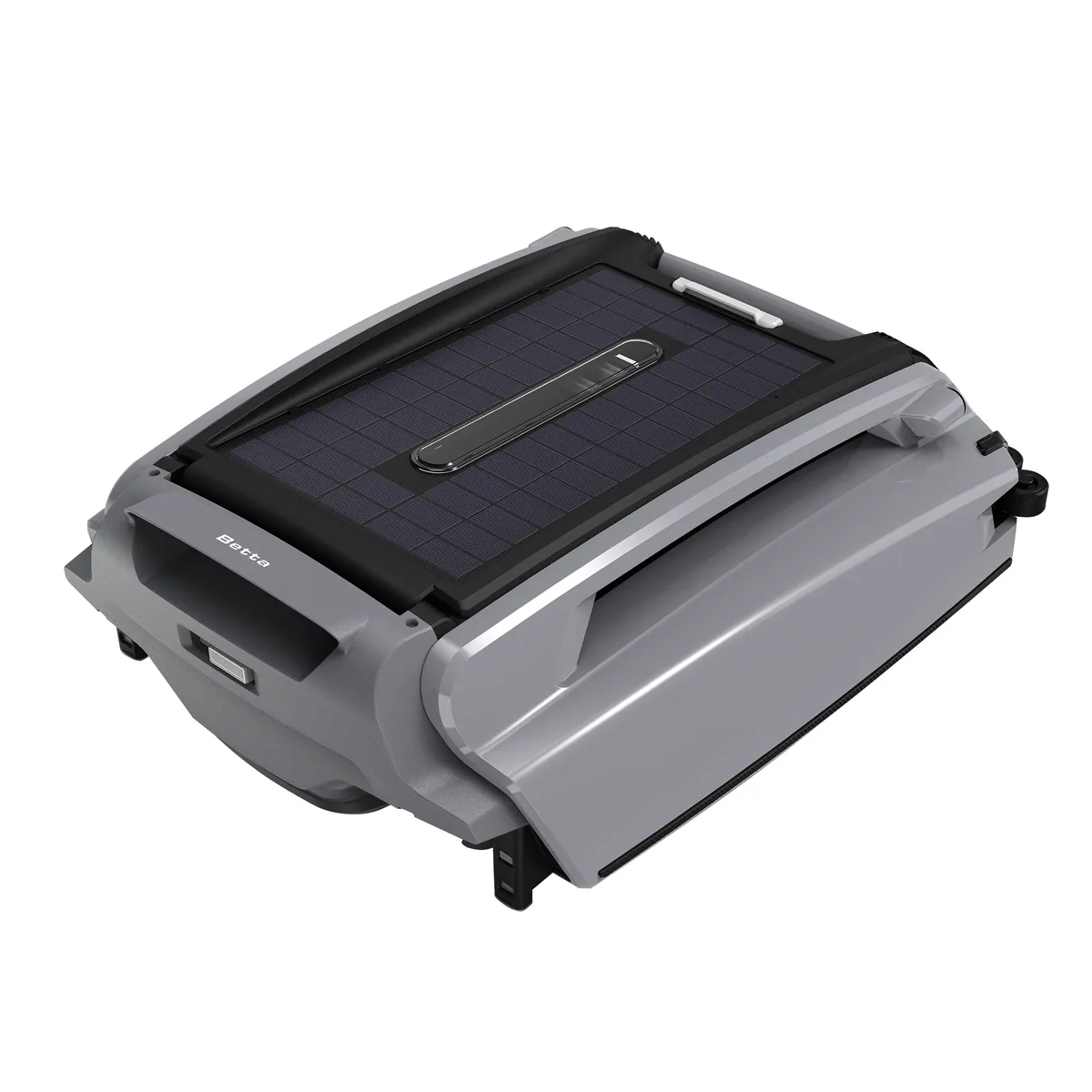
Betta SE Plus robotic pool cleaner
Betta~$390

Betta SE Plus

Surface skimmer · 30 h skimming

Pool fit
Skims all day; no pool-size limit
Filtration
200 µm · sand, grit and leaves
Retrieval
Floats; lifted by hand
  • Solar + adapter
  • 30 h runtime
  • 200 µm basket

Cleans: Surface

Related

  • How Long Do Pool Robots Last, and What Fails First?

    There is no single number, because what ends a robot's life is usually one part: a pump motor seal, a power supply, a battery, or a cable that has twisted beyond use. Brushes and drive belts wear out on a schedule and are cheap to replace. The warranty is the only lifespan figure a maker commits to, and here it runs from one year to three; 4 robots publish no term at all.

  • Are Pool Robots Safe on Vinyl Liners?

    Yes, provided the maker lists vinyl. A robot has no hard wheels dragging on the liner the way some suction cleaners do, and most use rubber, PVC or foam brushes that are soft on vinyl. The things that damage liners are grit trapped under a brush, robots climbing onto vinyl-covered steps, and wrinkles that a robot catches on — none of which is specific to one brand.

  • Reading a pool robot spec sheet

    Every specification explained, with the numbers from the catalog behind each one.