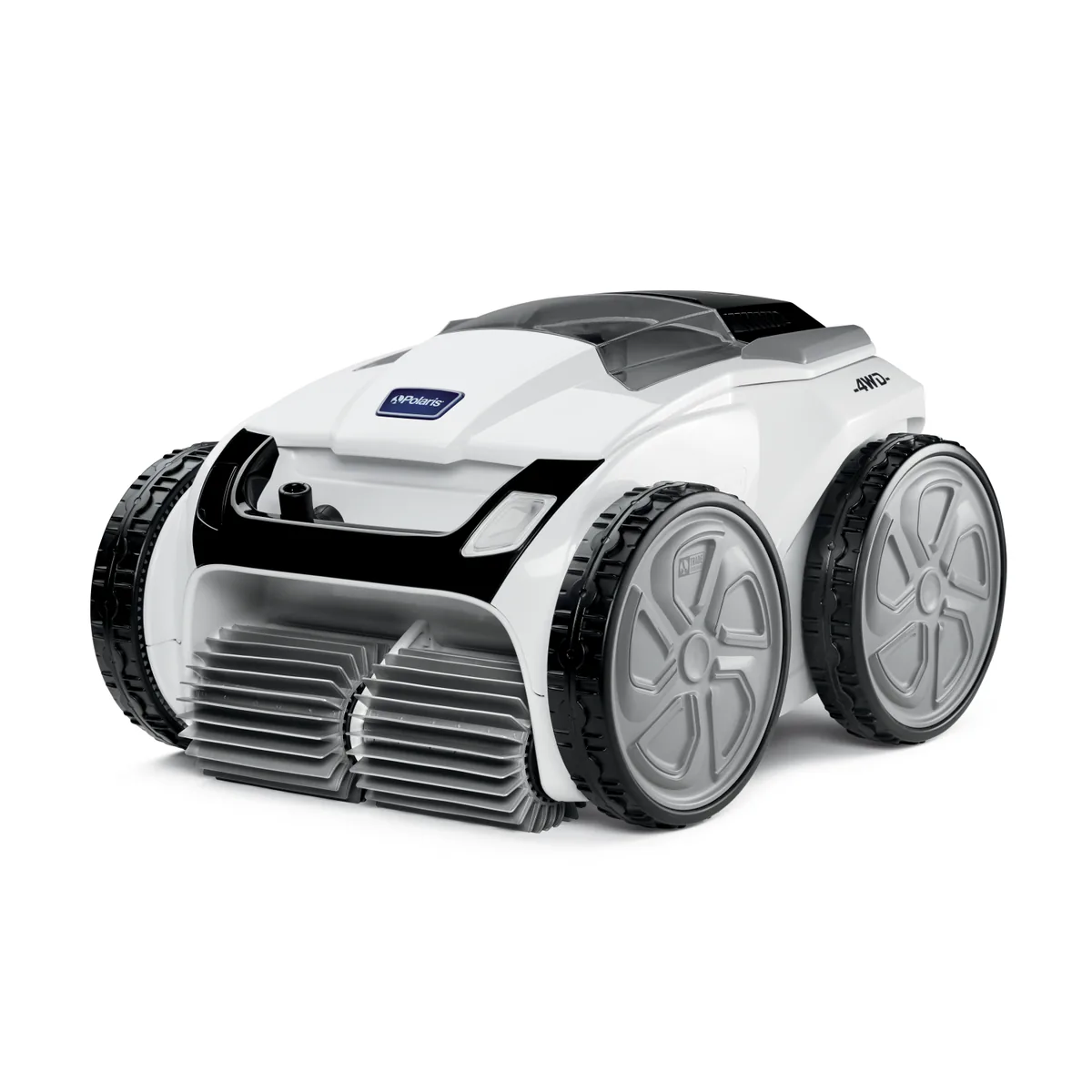
Polaris~$1,499
Polaris VRX iQ+
Corded waterline
- Pool fit
- ~62 ft
- Filtration
- No micron figure published
- Retrieval
- Parks for pickup
- 70 ft cable
- Easy Lift
- Caddy included
Cleans: Floor, walls, waterline
Short answer
Corded if the pool is large or you want the robot to run on a schedule for years without a battery to replace; cordless if the cable is the thing you hate. A corded robot never runs out mid-cycle and has no battery to wear out, but its cable twists over time. A cordless one has no cable to tangle, but its runtime is the hard limit on what it can clean, and its battery loses capacity every season.
A corded robot can only go as far as its cable reaches, and the cable has to run down the wall to the deep end before it covers any floor. That is why this site subtracts 8 feet from the cable length before calling it a pool length. Only 3 of the 15 corded robots here publish a cable length at all — Maytronics does not print one on any US product page — so for most corded robots the maker's pool rating is the only figure available.
The second problem is twist. A robot that turns more one way than the other puts a twist in its cable every cycle, and after enough cycles the cable coils into a knot that shortens its reach. A swivel between the cable and the robot lets the cable unwind as it goes, which is why the swivel is worth paying for on a corded robot. Laying the cable out straight in the sun now and then lets it relax as well.
A cordless robot's runtime is the whole of its range. The median full-cycle runtime among the 17 cordless robots that publish one here is 150 minutes; the longest is the Beatbot AquaSense 2 Ultra at 270. 12 more publish only a floor-only runtime, which says nothing about whether the battery lasts through the walls, and 2 publish no runtime at all.
Lithium batteries also lose capacity with every charge cycle and every hot afternoon on the deck, so a robot that just covers your pool when new will not cover it in its third summer. Buy with headroom, and check whether the maker sells a replacement battery or treats the robot as sealed.
What cordless robots do well is get out of the way. No cable across the deck, no power supply to keep dry, and many of them park at the wall or float up when they finish so you can lift them out by the handle.
Pool over about 40 feet, scheduled cleaning every few days, and no objection to a cable: corded. Smaller pool, cleaning when you remember, and a strong dislike of untangling cable: cordless. Above-ground pool: either works, and the cheapest robots in the catalog are cordless floor robots built for exactly that.
Corded waterline
Cleans: Floor, walls, waterline
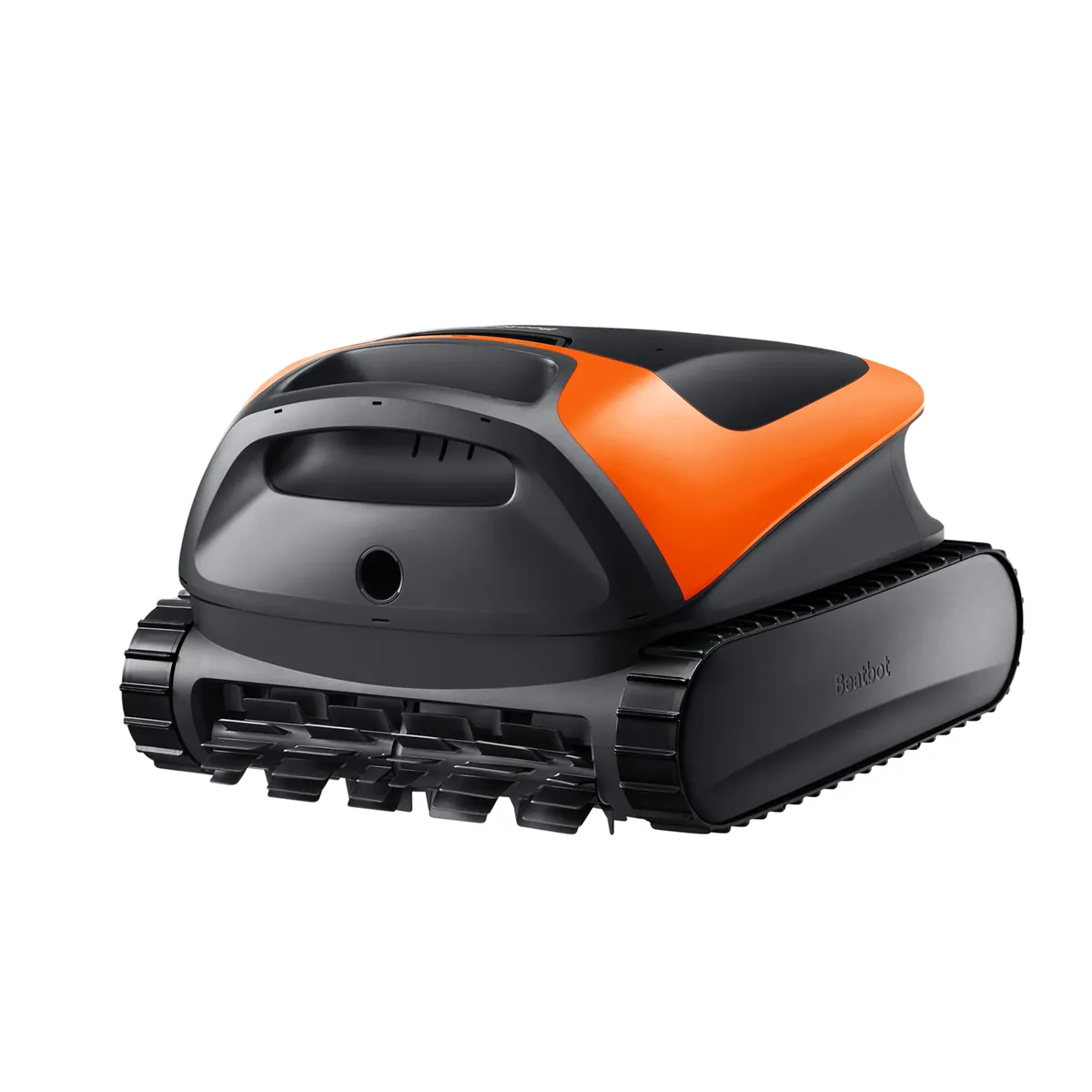
Cordless floor+wall+waterline · 270 min, floor + walls
Cleans: Floor, walls, waterline
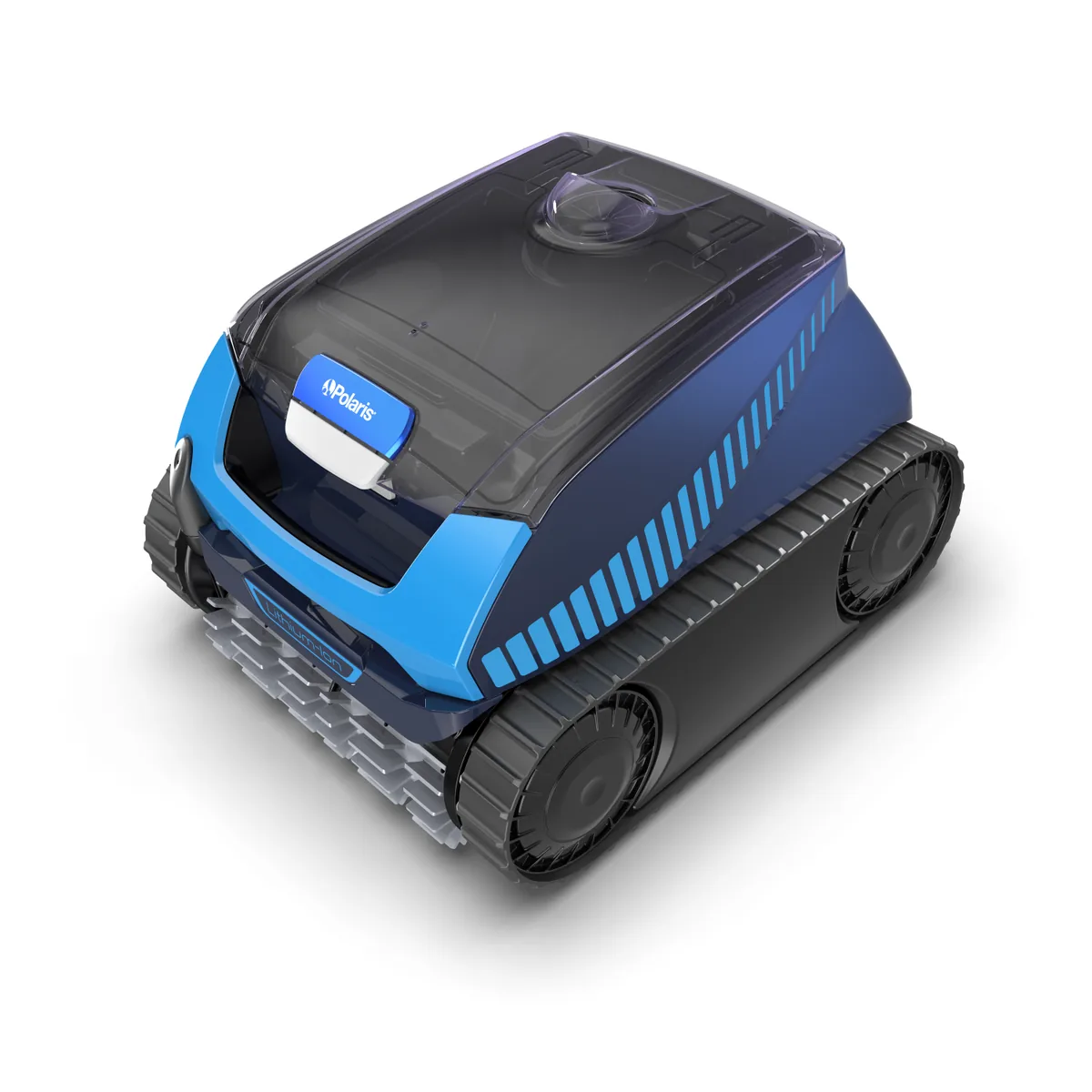
Cordless floor+wall+waterline · 150 min, floor + walls
Cleans: Floor, walls, waterline
For a corded robot, roughly its cable length minus the depth of the deep end — a 60 ft cable reaches about a 52 ft pool. For a cordless one, as much floor and wall as its battery can cover: at 13 sq ft a minute, a full floor-and-wall pass of a 16 × 32 ft pool (about 992 sq ft) takes around 76 minutes. By that arithmetic, 11 of the 29 cordless robots here with a runtime to check claim a noticeably bigger pool than their battery covers.
There is no single number, because what ends a robot's life is usually one part: a pump motor seal, a power supply, a battery, or a cable that has twisted beyond use. Brushes and drive belts wear out on a schedule and are cheap to replace. The warranty is the only lifespan figure a maker commits to, and here it runs from one year to three; 4 robots publish no term at all.
Every specification explained, with the numbers from the catalog behind each one.